The Health Council of the Netherlands and the Netherlands Scientific Climate Council have jointly prepared an advisory report to identify the health risks of climate change, examine how the government can better protect the population against these risks, and determine which groups should be prioritised in policy.
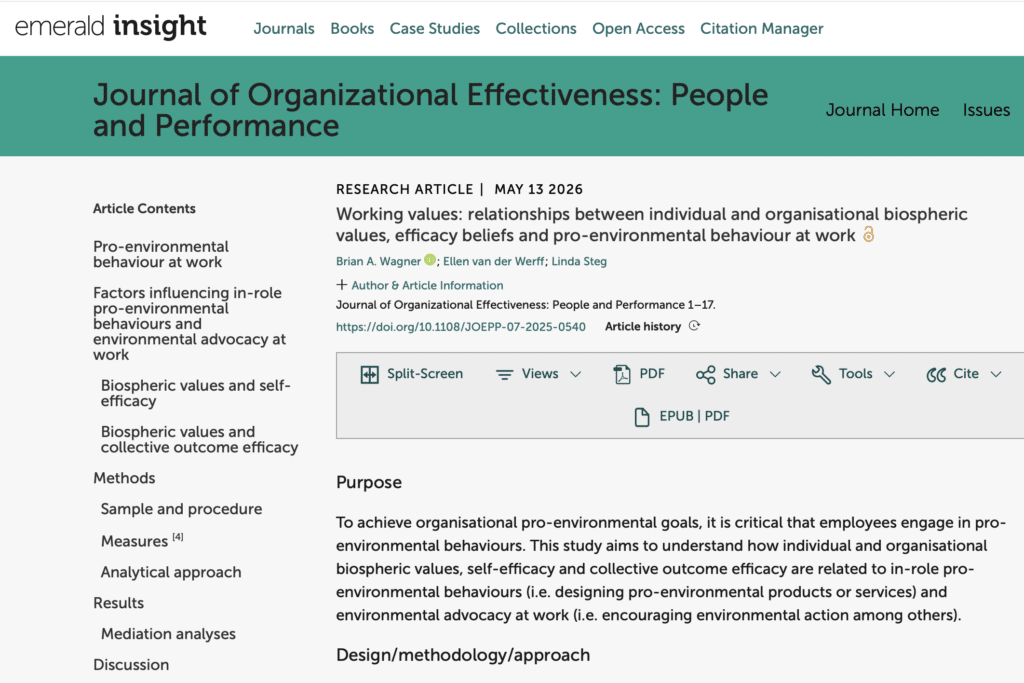
Unpacking Dynamic Norms: Identifying Key Elements of Dynamic Norms and a Meta-Analysis of Their Effects on Pro-environmental Behaviour
This meta-analysis (79 studies from 49 articles) investigates the overall effect of dynamic norms on pro-environmental behaviour, and whether differences in operationalisations affect dynamic norms’ effects.
Laboratories are some of the most resource-intensive places within universities. Energy and water use, chemical waste, single-use materials and equipment replacement all have a negative environmental impact. How can behavioral interventions help scientists go greener?
A fossil-fuel advertising ban is symbolic, and symbols really matter
The proliferation of ads for cheap air holidays and cruises can lull us into thinking that everyone does it, and can leave people who are trying to live more sustainably feeling like their efforts won’t amount to much against that critical mass of high emissions behavior.
Policies that make it easier and cheaper for people to engage in circular behavior and using our voices to advocate for systems change becomes a self-fulfilling prophecy.
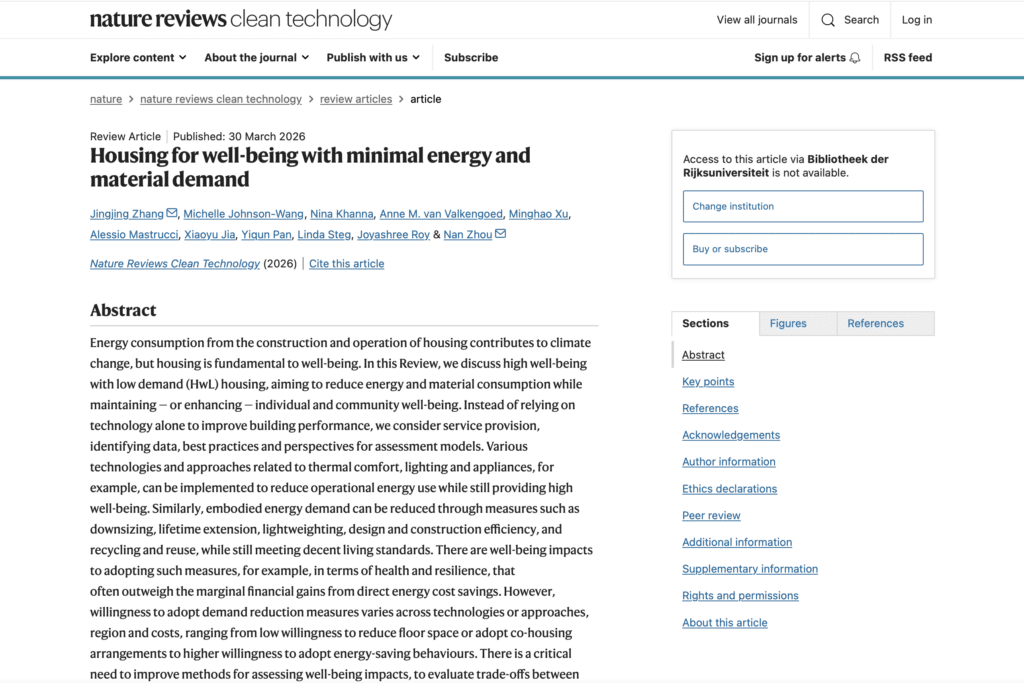
Housing for well-being with minimal energy and material demand
In this Review, we discuss high well-being with low demand (HwL) housing, aiming to reduce energy and material consumption while maintaining — or enhancing — individual and community well-being.
Climate policy feasibility across Europe relies on the conditional middle
The preferences of conditionals hinge upon specific policy instruments and the perceived cost–benefit balances but less on fixed ideology or demographics.
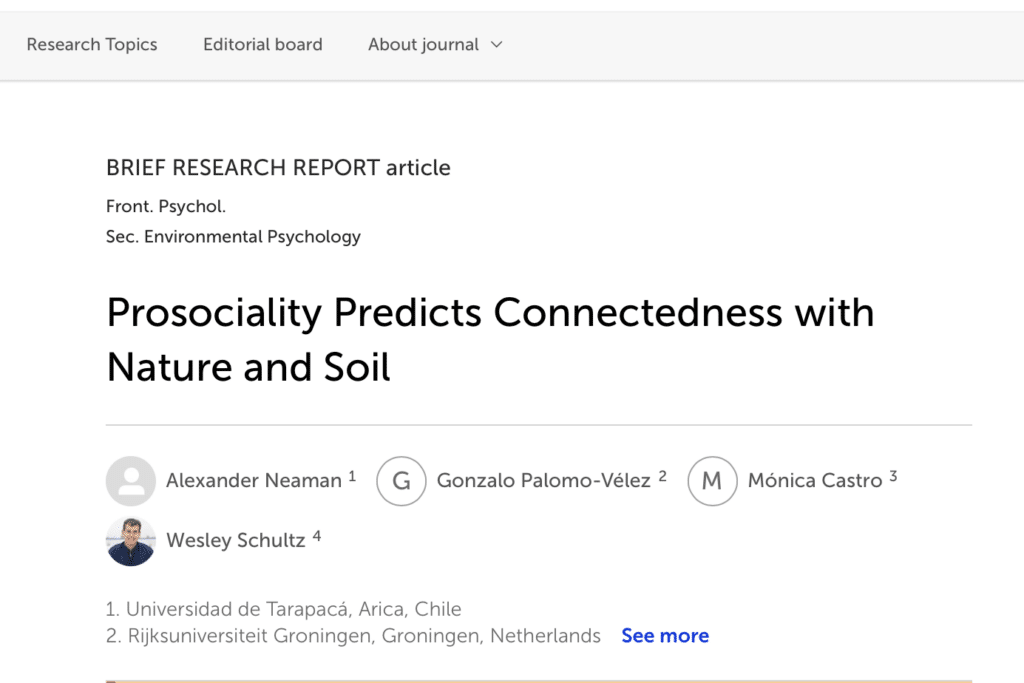
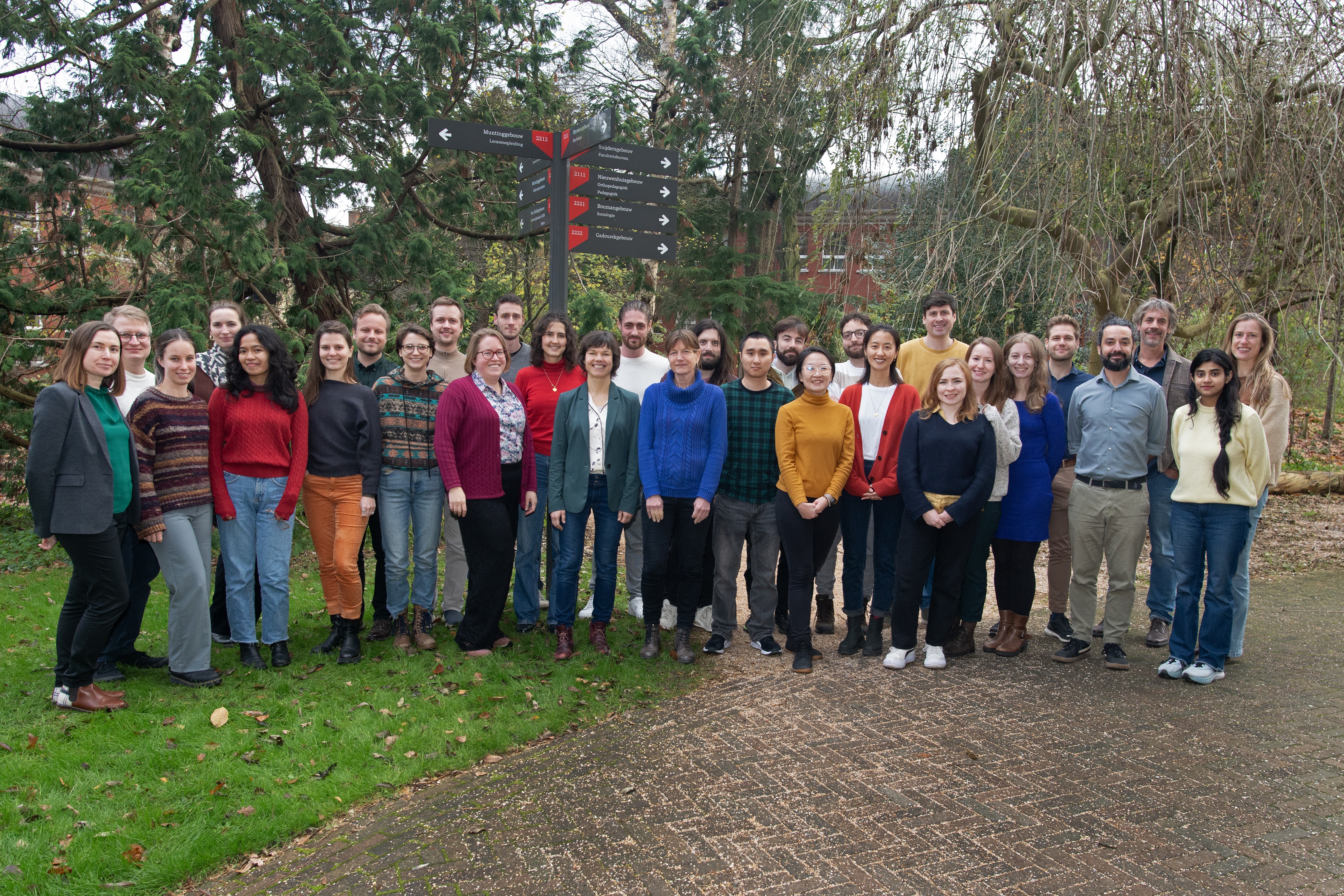
The Environmental Psychology Groningen expertise group investigates how willing people are to make a personal contribution to the cause of combating climate change and which policies can effectively encourage sustainable behaviour.